Buy housesparrow.eu ?
We are moving the project
housesparrow.eu .
Are you interested in purchasing the domain
housesparrow.eu ?
domain@kv-gmbh.de · 0541-91531010
Buy housesparrow.eu ?
Why do people cry while singing?
People may cry while singing because music has the power to evoke strong emotions and memories. Singing can be a deeply personal and vulnerable experience, allowing individuals to express their feelings in a way that words alone cannot. The act of singing can also release pent-up emotions and provide a cathartic outlet for emotional release. Additionally, the physical act of singing can engage the diaphragm and vocal cords, which are connected to the body's emotional centers, leading to a release of emotions through tears. **
Why do some people yawn while singing?
Some people may yawn while singing because singing requires taking deep breaths, and yawning is a way for the body to take in more oxygen. Yawning can also be a response to feeling tired or bored, and singing for an extended period of time can be physically and mentally tiring. Additionally, some people may yawn while singing as a result of anxiety or nervousness, as yawning can be a way for the body to release tension and regulate emotions. **


Similar search terms for Do-while
Top-Angebote
Products related to Do-while:
-
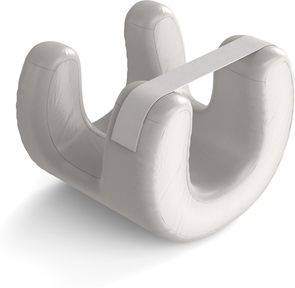
Youfap Market Memory Foam Face Pillow For Anti Aging & Wrinkle Prevention whileExperience a restful, rejuvenating sleep with the Memory Foam Face Pillow, designed for antiaging and wrinkle prevention. This ergonomic beauty bed pillow is ideal for anyone looking to prevent facial wrinkles while enjoying maximum comfort during...74,97 $*Shipping: 0,00 $Secure redirect to the provider
-
StayWell Memory Foam Face Pillow For Wrinkle Prevention And Anti Aging whileEnhance your beauty sleep with the Memory Foam Face Pillow, specially designed for wrinkle prevention and antiaging benefits. Crafted from soft cotton material, this luxurious pillow offers the perfect balance of comfort and support, ensuring you...69,97 $*Shipping: 0,00 $Secure redirect to the provider
-
BlueBird Cracking the Menopause: While Keeping Yourself Together by Mariella Frostrup, Alice SmellieIt’s high time we renovated and elevated this life change. Despite the centuries of speculation and propaganda, we are not overheating or inherently cold, we are not hysterics or boiling vats of toxic poisons, we are not dried up or washed up, we are simply menopausal. It’s time for us to start talking about the menopause. Cracking the Menopause, from straight-talking broadcaster Mariella Frostrup and health journalist Alice Smellie, has all the information you need, delivered with characteristic wry humour. Mariella shares her own journey through the menopause, along with the latest science, advice from leading experts and humorous illustrations – to provide an informative source of wisdom and enlightenment. Featuring case studies from women in every walk of life and all stages of their menopause journey, Cracking the Menopause opens up the conversation about an urgent topic that half the population will experience, but barely anyone is talking about. Designed to equip you with the knowledge to manage your symptoms from perimenopause onwards, this essential book separates the myths from the reality and offers expertise, hope and advice.2,95 £*Shipping: 1,99 £Secure redirect to the provider


-
Why do members of choirs stand while singing?
Members of choirs stand while singing for several reasons. Firstly, standing allows for better breath control and support, which is essential for producing a strong and consistent sound. Additionally, standing helps singers project their voices and engage their entire body in the performance, leading to a more dynamic and expressive delivery. Standing also allows for better visual communication and coordination among choir members, as they can see each other and their conductor more easily. Overall, standing while singing helps to enhance the overall performance and presentation of the choir. **
-
Why do I have to yawn while singing?
Yawning while singing can occur for a few reasons. One possibility is that singing requires taking in more air than usual, which can trigger a yawn reflex as the body tries to increase oxygen intake. Additionally, singing can also involve using the muscles in the throat and mouth in new ways, which can lead to feelings of fatigue and the urge to yawn. It's also possible that the act of singing itself can be relaxing and calming, which can also trigger a yawn response. **
-
How do I find my chest voice while singing?
To find your chest voice while singing, start by practicing vocal exercises that focus on lower notes and resonance in the chest area. Try humming or vocalizing on a comfortable pitch and gradually increase the volume while maintaining a relaxed throat. Pay attention to the sensation of vibrations in your chest as you sing. It may also be helpful to work with a vocal coach who can provide guidance and feedback on developing your chest voice. With practice and patience, you can strengthen and access your chest voice for a fuller and richer sound while singing. **
-
How do I find my diaphragm voice while singing?
To find your diaphragm voice while singing, start by practicing deep breathing exercises to strengthen your diaphragm muscle. Focus on breathing deeply from your diaphragm rather than shallow breathing from your chest. When singing, engage your diaphragm by pushing the air out with control and support, allowing for a more powerful and resonant sound. Practice regularly to develop muscle memory and improve your diaphragm voice over time. **
'How do I maintain my voice while overtone singing?'
To maintain your voice while overtone singing, it is important to focus on proper breathing techniques and vocal support. Make sure to take deep breaths and engage your diaphragm to support your voice. Additionally, it is important to stay relaxed and avoid any tension in your throat and vocal cords. Regular vocal warm-ups and exercises can also help maintain the health and strength of your voice while overtone singing. Lastly, be mindful of your vocal limits and avoid pushing your voice too hard, as this can lead to strain and potential damage. **
Why is singing better while sitting down?
Singing while sitting down can be better for some individuals because it allows for better posture and breath control. Sitting down can help singers maintain a more stable position, which can lead to improved vocal technique and support. Additionally, sitting can help reduce tension in the body, allowing for a more relaxed and controlled singing performance. **
Top-Angebote
Products related to Do-while:
-
Honey-Can-Do Natural/Grey Set of 3 Nesting Seagrass BasketsNo matter the room, you your need for it to be neat and tidy is unparalleled. Now's your chance with these three square storage baskets that can hold anything from throw towels to books to computer cords.45,99 $*Shipping: 0,00 $Secure redirect to the provider
-
Youfap Market Memory Foam Face Pillow For Anti Aging & Wrinkle Prevention whileExperience a restful, rejuvenating sleep with the Memory Foam Face Pillow, designed for antiaging and wrinkle prevention. This ergonomic beauty bed pillow is ideal for anyone looking to prevent facial wrinkles while enjoying maximum comfort during...74,97 $*Shipping: 0,00 $Secure redirect to the provider
-
StayWell Memory Foam Face Pillow For Wrinkle Prevention And Anti Aging whileEnhance your beauty sleep with the Memory Foam Face Pillow, specially designed for wrinkle prevention and antiaging benefits. Crafted from soft cotton material, this luxurious pillow offers the perfect balance of comfort and support, ensuring you...69,97 $*Shipping: 0,00 $Secure redirect to the provider
-
Why do people cry while singing?
People may cry while singing because music has the power to evoke strong emotions and memories. Singing can be a deeply personal and vulnerable experience, allowing individuals to express their feelings in a way that words alone cannot. The act of singing can also release pent-up emotions and provide a cathartic outlet for emotional release. Additionally, the physical act of singing can engage the diaphragm and vocal cords, which are connected to the body's emotional centers, leading to a release of emotions through tears. **
-
Why do some people yawn while singing?
Some people may yawn while singing because singing requires taking deep breaths, and yawning is a way for the body to take in more oxygen. Yawning can also be a response to feeling tired or bored, and singing for an extended period of time can be physically and mentally tiring. Additionally, some people may yawn while singing as a result of anxiety or nervousness, as yawning can be a way for the body to release tension and regulate emotions. **
-
Why do members of choirs stand while singing?
Members of choirs stand while singing for several reasons. Firstly, standing allows for better breath control and support, which is essential for producing a strong and consistent sound. Additionally, standing helps singers project their voices and engage their entire body in the performance, leading to a more dynamic and expressive delivery. Standing also allows for better visual communication and coordination among choir members, as they can see each other and their conductor more easily. Overall, standing while singing helps to enhance the overall performance and presentation of the choir. **
-
Why do I have to yawn while singing?
Yawning while singing can occur for a few reasons. One possibility is that singing requires taking in more air than usual, which can trigger a yawn reflex as the body tries to increase oxygen intake. Additionally, singing can also involve using the muscles in the throat and mouth in new ways, which can lead to feelings of fatigue and the urge to yawn. It's also possible that the act of singing itself can be relaxing and calming, which can also trigger a yawn response. **
Similar search terms for Do-while
-
BlueBird Cracking the Menopause: While Keeping Yourself Together by Mariella Frostrup, Alice SmellieIt’s high time we renovated and elevated this life change. Despite the centuries of speculation and propaganda, we are not overheating or inherently cold, we are not hysterics or boiling vats of toxic poisons, we are not dried up or washed up, we are simply menopausal. It’s time for us to start talking about the menopause. Cracking the Menopause, from straight-talking broadcaster Mariella Frostrup and health journalist Alice Smellie, has all the information you need, delivered with characteristic wry humour. Mariella shares her own journey through the menopause, along with the latest science, advice from leading experts and humorous illustrations – to provide an informative source of wisdom and enlightenment. Featuring case studies from women in every walk of life and all stages of their menopause journey, Cracking the Menopause opens up the conversation about an urgent topic that half the population will experience, but barely anyone is talking about. Designed to equip you with the knowledge to manage your symptoms from perimenopause onwards, this essential book separates the myths from the reality and offers expertise, hope and advice.2,95 £*Shipping: 1,99 £Secure redirect to the provider
-
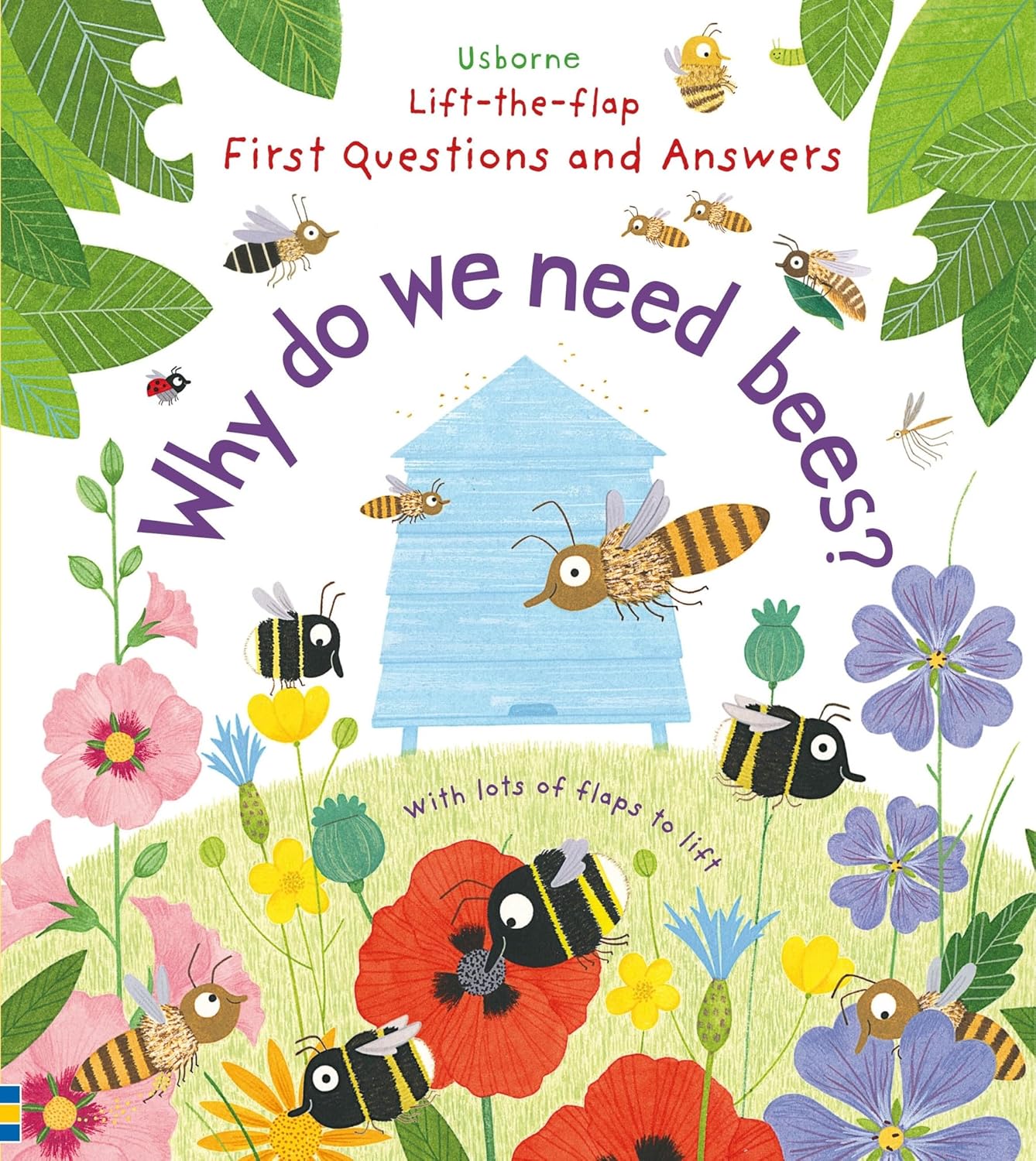
Usborne Lift-The-Flap First Questions and Answers 4 Books Set (Where Do Babies Come From?, What are Feelings?, Why do we need Bees?, Why do things DieUsborne Lift-The-Flap First Questions and Answers 4 Books Set (Where Do Babies Come From?, What are Feelings?, Why do we need Bees?, Why do things Die?) Where Do Babies Come From? A delightful way for young children to discover where babies come from - from baby humans to kittens, caterpillars and kangaroos. Young children can lift the flaps to find out how babies are made, when they are born, what new babies need and how they grow. A charming, age-appropriate introduction to the facts of life to share with young children. What are Feelings? This thoughtful book explores happiness, sadness, anger, fear and worry in a friendly and approachable way for little children. Adorable animal characters experience different emotions, while flaps reveal the answers to important questions such as 'Why don't I feel happy all the time?' and 'How can I cheer up my friend?' Why do we need Bees? Why do we need bees? How do they make honey? And who's who in a beehive? Children can find the answers to these questions and many more in this informative lift-the-flap book. With colourful illustrations, simple text and chunky flaps to lift, young children can discover lots of amazing facts about bees and why they need our help. Why do things Die? A beautiful and gentle look at the circle of life, using Christine Pym's gorgeous animals characters to explore the emotions and facts around death, with questions such as Is it ok to talk about dying? What happens when someone dies? Can I shout and cry and hide away? and How can I stop feeling sad?16,99 £*Shipping: 2,99 £Secure redirect to the provider
-
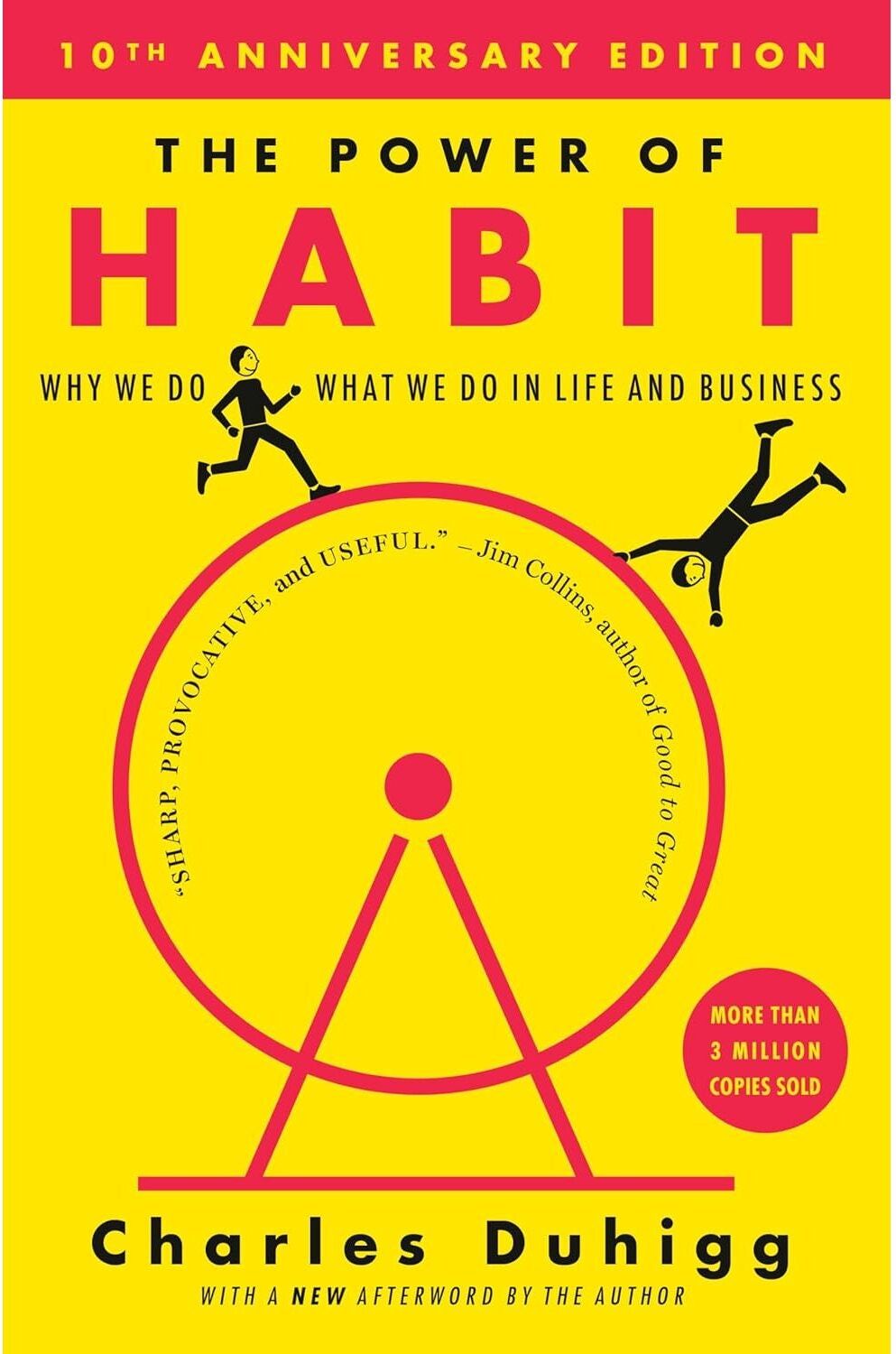
Random House Books The Power of Habit HARDBACK: Why We Do What We Do, and How to ChangeA WALL STREET JOURNAL AND FINANCIAL TIMES BEST BOOK OF THE YEAR In The Power of Habit, award-winning business reporter Charles Duhigg takes us to the thrilling edge of scientific discoveries that explain why habits exist and how they can be changed. Distilling vast amounts of information into engrossing narratives that take us from the boardrooms of Procter & Gamble to the sidelines of the NFL to the front lines of the civil rights movement, Duhigg presents a whole new understanding of human nature and its potential. At its core, The Power of Habit contains an exhilarating argument: The key to exercising regularly, losing weight, being more productive, and achieving success is understanding how habits work. As Duhigg shows, by harnessing this new science, we can transform our businesses, our communities, and our lives.9,49 £*Shipping: 2,99 £Secure redirect to the provider
-
How do I find my chest voice while singing?
To find your chest voice while singing, start by practicing vocal exercises that focus on lower notes and resonance in the chest area. Try humming or vocalizing on a comfortable pitch and gradually increase the volume while maintaining a relaxed throat. Pay attention to the sensation of vibrations in your chest as you sing. It may also be helpful to work with a vocal coach who can provide guidance and feedback on developing your chest voice. With practice and patience, you can strengthen and access your chest voice for a fuller and richer sound while singing. **
-
How do I find my diaphragm voice while singing?
To find your diaphragm voice while singing, start by practicing deep breathing exercises to strengthen your diaphragm muscle. Focus on breathing deeply from your diaphragm rather than shallow breathing from your chest. When singing, engage your diaphragm by pushing the air out with control and support, allowing for a more powerful and resonant sound. Practice regularly to develop muscle memory and improve your diaphragm voice over time. **
-
'How do I maintain my voice while overtone singing?'
To maintain your voice while overtone singing, it is important to focus on proper breathing techniques and vocal support. Make sure to take deep breaths and engage your diaphragm to support your voice. Additionally, it is important to stay relaxed and avoid any tension in your throat and vocal cords. Regular vocal warm-ups and exercises can also help maintain the health and strength of your voice while overtone singing. Lastly, be mindful of your vocal limits and avoid pushing your voice too hard, as this can lead to strain and potential damage. **
-
Why is singing better while sitting down?
Singing while sitting down can be better for some individuals because it allows for better posture and breath control. Sitting down can help singers maintain a more stable position, which can lead to improved vocal technique and support. Additionally, sitting can help reduce tension in the body, allowing for a more relaxed and controlled singing performance. **
* All prices are inclusive of VAT and, if applicable, plus shipping costs. The offer information is based on the details provided by the respective shop and is updated through automated processes. Real-time updates do not occur, so deviations can occur in individual cases. ** Note: Parts of this content were created by AI.