Buy housesparrow.eu ?
We are moving the project
housesparrow.eu .
Are you interested in purchasing the domain
housesparrow.eu ?
domain@kv-gmbh.de · 0541-91531010
Buy housesparrow.eu ?
What is the replication origin in DNA replication?
The replication origin is a specific sequence of DNA where the process of DNA replication begins. It is the site where the two strands of the DNA double helix are separated and the replication machinery is assembled. The replication origin is recognized by specific proteins that initiate the unwinding of the DNA and the synthesis of new DNA strands. Each DNA molecule has multiple replication origins to ensure that the entire genome is replicated efficiently. **
What is semiconservative replication?
Semiconservative replication is the process by which DNA is copied during cell division. In this process, the two strands of the DNA double helix separate, and each strand serves as a template for the synthesis of a new complementary strand. As a result, each new DNA molecule contains one original strand and one newly synthesized strand. This ensures that the genetic information is preserved and passed on to the next generation of cells. This process was first proposed by James Watson and Francis Crick in 1953. **


Similar search terms for Replication
Top-Angebote
Products related to Replication:
-
Inspire Select Interactive Singing Plush Elephant Toy With Moving Ears Interactive Singing Plush Elephant Toy With Moving EarsBring endless fun and surprises to playtime with this singing plush elephant that captivates with moving ears and cheerful sounds. Designed for toddlers, kids and anyone who loves interactive plush toys, this animated elephant toy stands out with...46,48 $*Shipping: 0,00 $Secure redirect to the provider
-
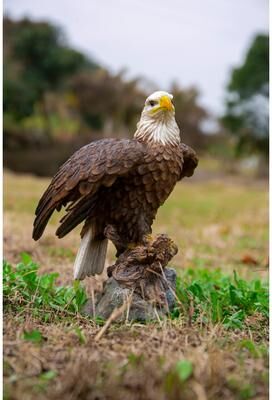
Hi-Line Gift Motion Activated Singing EagleEnjoy the relaxing sounds of a singing eagle. This uniquely-crafted and beautiful motion-sensor statue will please any bird lovers. Made of polyresin, this can be used indoors and outdoors. Uses Alkaline LR44 coin cell battery, 3pcs.64,73 $*Shipping: 0,00 $Secure redirect to the provider
-
Brainstream Pirate BeepEgg Singing and Floating Egg TimerBrainStream Pirate BeepEgg - Musical Kitchen Timer & Egg Timer, Plays 3 Tunes for Soft, Medium, Hard-Boiled Eggs - Any Egg Size & Temperature, Ideal for at Home or Camping - Made in Germany - New Turn breakfast into a fun and effortless experience...29,99 $*Shipping: 0,00 $Secure redirect to the provider
-
Global Craft Wisdom Buddha Singing Bowl Leather StrikerThis exclusive singing bowl design is made of a special seven metal alloy, with each metal representing a part of the astrological universe. It measures 6 inches by 2 inches and includes 6 inch wooden baton.97,49 $*Shipping: 0,00 $Secure redirect to the provider



-
What is DNA replication?
DNA replication is the process by which a cell makes an identical copy of its DNA. This process is essential for cell division and the transmission of genetic information from one generation to the next. It involves the unwinding of the DNA double helix, the synthesis of new complementary strands using the existing strands as templates, and the proofreading and correction of any errors. DNA replication ensures that each new cell receives a complete and accurate set of genetic instructions. **
-
How does DNA replication occur?
DNA replication occurs in a semi-conservative manner, where the two strands of the double helix are separated and each strand serves as a template for the synthesis of a new complementary strand. The enzyme helicase unwinds the double helix, creating two single strands. DNA polymerase then adds new nucleotides to each single strand, following the base-pairing rules (A with T, and C with G). This results in two identical double-stranded DNA molecules, each containing one original strand and one newly synthesized strand. **
-
What is RNA self-replication?
RNA self-replication is a process where RNA molecules are able to catalyze their own replication without the need for external enzymes. This ability is crucial for the early evolution of life on Earth, as it is believed to be a key step in the transition from prebiotic chemistry to the emergence of life. RNA self-replication involves the RNA molecule acting as both a template and an enzyme, allowing it to make copies of itself. This process is a fundamental aspect of the RNA world hypothesis, which suggests that RNA played a central role in the origin of life. **
-
Where does DNA replication occur?
DNA replication occurs in the nucleus of eukaryotic cells and in the cytoplasm of prokaryotic cells. In eukaryotic cells, DNA replication takes place during the S phase of the cell cycle, when the DNA is duplicated to ensure that each daughter cell receives a complete set of genetic information. The process involves the unwinding of the DNA double helix, the synthesis of new DNA strands using existing strands as templates, and the proofreading and correction of errors. Overall, DNA replication is a fundamental process that ensures the accurate transmission of genetic information from one generation to the next. **

What is a replication bubble?
A replication bubble is a region of DNA where the double helix has been unwound and separated to allow for DNA replication to occur. It is formed by the action of helicase enzymes that unwind the DNA strands, creating two single-stranded templates for the replication process. The replication bubble expands as the replication machinery moves along the DNA, synthesizing new strands of DNA. Replication bubbles are a key feature of DNA replication and allow for the efficient and accurate copying of genetic information. **
How does warming affect DNA replication?
Warming can affect DNA replication by increasing the rate of DNA damage due to higher levels of reactive oxygen species (ROS) in cells. This can lead to mutations in the DNA sequence during replication, potentially causing errors in the genetic code. Additionally, high temperatures can disrupt the enzymes and proteins involved in the replication process, leading to inefficient or inaccurate DNA replication. Overall, warming can have detrimental effects on DNA replication, potentially impacting the overall health and functioning of an organism. **
Top-Angebote
Products related to Replication:
-
San Pacific - Ds Perching Eagle Garden Sculpture Dark Bronze , Dark BronzeBe sure to be quick if you want to see the Perching Eagle. This hand-cast aluminum sculpture has a hand-rubbed, dark bronze finish and depicts an eagle on a tree stump ready to take flight. This sculpture may be used indoors or outdoors year round....384,99 $*Shipping: 0,00 $Secure redirect to the provider
-
Uplift Essentials Humane Bird Deterrent Perch Strips Stainless Steel Anti Perching Barrier For Balcony Fence And Eaves Humane Bird Deterrent Perch Strips Stainless Steel Anti Perching Barrier For Balcony Fence And EavesStop birds from landing and leaving messy droppings without harming them. These durable stainless steel perch deterrent strips create an uncomfortable landing surface that helps keep balconies, fences, and window ledges clean and protected. Designed...39,97 $*Shipping: 0,00 $Secure redirect to the provider
-
Inspire Select Interactive Singing Plush Elephant Toy With Moving Ears Interactive Singing Plush Elephant Toy With Moving EarsBring endless fun and surprises to playtime with this singing plush elephant that captivates with moving ears and cheerful sounds. Designed for toddlers, kids and anyone who loves interactive plush toys, this animated elephant toy stands out with...46,48 $*Shipping: 0,00 $Secure redirect to the provider
-
Hi-Line Gift Motion Activated Singing EagleEnjoy the relaxing sounds of a singing eagle. This uniquely-crafted and beautiful motion-sensor statue will please any bird lovers. Made of polyresin, this can be used indoors and outdoors. Uses Alkaline LR44 coin cell battery, 3pcs.64,73 $*Shipping: 0,00 $Secure redirect to the provider
-
What is the replication origin in DNA replication?
The replication origin is a specific sequence of DNA where the process of DNA replication begins. It is the site where the two strands of the DNA double helix are separated and the replication machinery is assembled. The replication origin is recognized by specific proteins that initiate the unwinding of the DNA and the synthesis of new DNA strands. Each DNA molecule has multiple replication origins to ensure that the entire genome is replicated efficiently. **
-
What is semiconservative replication?
Semiconservative replication is the process by which DNA is copied during cell division. In this process, the two strands of the DNA double helix separate, and each strand serves as a template for the synthesis of a new complementary strand. As a result, each new DNA molecule contains one original strand and one newly synthesized strand. This ensures that the genetic information is preserved and passed on to the next generation of cells. This process was first proposed by James Watson and Francis Crick in 1953. **
-
What is DNA replication?
DNA replication is the process by which a cell makes an identical copy of its DNA. This process is essential for cell division and the transmission of genetic information from one generation to the next. It involves the unwinding of the DNA double helix, the synthesis of new complementary strands using the existing strands as templates, and the proofreading and correction of any errors. DNA replication ensures that each new cell receives a complete and accurate set of genetic instructions. **
-
How does DNA replication occur?
DNA replication occurs in a semi-conservative manner, where the two strands of the double helix are separated and each strand serves as a template for the synthesis of a new complementary strand. The enzyme helicase unwinds the double helix, creating two single strands. DNA polymerase then adds new nucleotides to each single strand, following the base-pairing rules (A with T, and C with G). This results in two identical double-stranded DNA molecules, each containing one original strand and one newly synthesized strand. **
Similar search terms for Replication
-
Brainstream Pirate BeepEgg Singing and Floating Egg TimerBrainStream Pirate BeepEgg - Musical Kitchen Timer & Egg Timer, Plays 3 Tunes for Soft, Medium, Hard-Boiled Eggs - Any Egg Size & Temperature, Ideal for at Home or Camping - Made in Germany - New Turn breakfast into a fun and effortless experience...29,99 $*Shipping: 0,00 $Secure redirect to the provider
-
Global Craft Wisdom Buddha Singing Bowl Leather StrikerThis exclusive singing bowl design is made of a special seven metal alloy, with each metal representing a part of the astrological universe. It measures 6 inches by 2 inches and includes 6 inch wooden baton.97,49 $*Shipping: 0,00 $Secure redirect to the provider
-
JoyToys Interactive Dancing Bee Toy With Music, Lights & Singing For Kids Interactive Dancing Bee Toy With Music, Lights & Singing For KidsA smile is just one button away with this Dancing Bee Toy that keeps little ones laughing, moving, and learning through play. Designed for toddlers and young children, this adorable bee sings, dances, and lights up to capture attention while...49,97 $*Shipping: 0,00 $Secure redirect to the provider
-
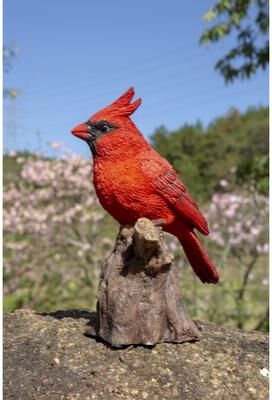
Hi-Line Gift MOTION ACTIVATED SINGING CARDINAL STANDING STUMPEnjoy the relaxing sounds of a singing red cardinal. This uniquely-crafted and beautiful motion-sensor statue will please any bird lovers. Made of polyresin, this can be used indoors and outdoors.66,99 $*Shipping: 0,00 $Secure redirect to the provider
-
What is RNA self-replication?
RNA self-replication is a process where RNA molecules are able to catalyze their own replication without the need for external enzymes. This ability is crucial for the early evolution of life on Earth, as it is believed to be a key step in the transition from prebiotic chemistry to the emergence of life. RNA self-replication involves the RNA molecule acting as both a template and an enzyme, allowing it to make copies of itself. This process is a fundamental aspect of the RNA world hypothesis, which suggests that RNA played a central role in the origin of life. **
-
Where does DNA replication occur?
DNA replication occurs in the nucleus of eukaryotic cells and in the cytoplasm of prokaryotic cells. In eukaryotic cells, DNA replication takes place during the S phase of the cell cycle, when the DNA is duplicated to ensure that each daughter cell receives a complete set of genetic information. The process involves the unwinding of the DNA double helix, the synthesis of new DNA strands using existing strands as templates, and the proofreading and correction of errors. Overall, DNA replication is a fundamental process that ensures the accurate transmission of genetic information from one generation to the next. **
-
What is a replication bubble?
A replication bubble is a region of DNA where the double helix has been unwound and separated to allow for DNA replication to occur. It is formed by the action of helicase enzymes that unwind the DNA strands, creating two single-stranded templates for the replication process. The replication bubble expands as the replication machinery moves along the DNA, synthesizing new strands of DNA. Replication bubbles are a key feature of DNA replication and allow for the efficient and accurate copying of genetic information. **
-
How does warming affect DNA replication?
Warming can affect DNA replication by increasing the rate of DNA damage due to higher levels of reactive oxygen species (ROS) in cells. This can lead to mutations in the DNA sequence during replication, potentially causing errors in the genetic code. Additionally, high temperatures can disrupt the enzymes and proteins involved in the replication process, leading to inefficient or inaccurate DNA replication. Overall, warming can have detrimental effects on DNA replication, potentially impacting the overall health and functioning of an organism. **
* All prices are inclusive of VAT and, if applicable, plus shipping costs. The offer information is based on the details provided by the respective shop and is updated through automated processes. Real-time updates do not occur, so deviations can occur in individual cases. ** Note: Parts of this content were created by AI.