Buy housesparrow.eu ?
We are moving the project
housesparrow.eu .
Are you interested in purchasing the domain
housesparrow.eu ?
domain@kv-gmbh.de · 0541-91531010
Buy housesparrow.eu ?
How was warfare conducted in the mid-20th century?
Warfare in the mid-20th century was characterized by the use of conventional military tactics and strategies, as well as the widespread use of new technologies such as tanks, aircraft, and naval vessels. The two World Wars during this time period saw the large-scale mobilization of troops, the use of trench warfare, and the development of new weapons such as machine guns, artillery, and chemical weapons. Additionally, the mid-20th century saw the introduction of nuclear weapons, which significantly altered the nature of warfare and international relations. Overall, warfare in the mid-20th century was marked by a combination of traditional and modern tactics and technologies. **
How did the Tacoma Bridge collapse happen?
The collapse of the Tacoma Narrows Bridge in 1940 was caused by aeroelastic flutter, a phenomenon where the bridge's natural frequency matched the frequency of the wind, causing it to oscillate violently. The design of the bridge, with its narrow and shallow structure, made it susceptible to these aerodynamic forces. As the wind speed increased, the bridge began to sway and twist until it eventually collapsed into the water below. The collapse highlighted the importance of considering aerodynamic forces in bridge design and led to advancements in bridge engineering to prevent similar disasters in the future. **


Similar search terms for SAFAVIEH-Tacoma-Shehrie-Mid-Century
Top-Angebote
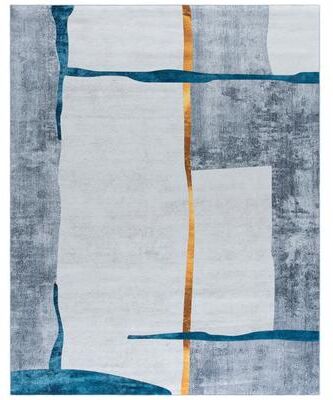
Products related to SAFAVIEH-Tacoma-Shehrie-Mid-Century:



-
What is the name of an oil painting from the mid-late 19th century?
One famous oil painting from the mid-late 19th century is "Starry Night" by Vincent van Gogh. This iconic painting, created in 1889, is known for its swirling, dreamlike depiction of the night sky and the village below. It is one of van Gogh's most well-known works and is housed in the Museum of Modern Art in New York City. **
-
How did the collapse of the Tacoma Bridge happen?
The collapse of the Tacoma Narrows Bridge in 1940 was primarily due to aeroelastic flutter, a phenomenon where the bridge's natural frequency matched the frequency of the wind, causing it to oscillate violently. The bridge's design, with slender girders and a lack of stiffening trusses, made it susceptible to these aerodynamic forces. As the wind speed increased, the bridge began to sway uncontrollably until it eventually collapsed into the river below. The collapse served as a valuable lesson in bridge design and engineering, leading to advancements in understanding aerodynamics and structural stability. **
-
Can you please create a list of European states and their colonies in the mid-18th century?
In the mid-18th century, several European states had established colonies around the world. Some of the major European states and their colonies included: 1. Great Britain: Colonies in North America (including the Thirteen Colonies), the Caribbean (such as Jamaica and Barbados), and parts of India. 2. France: Colonies in North America (including Canada and Louisiana), the Caribbean (such as Haiti and Martinique), and parts of India. 3. Spain: Colonies in the Americas (such as Mexico, Peru, and Cuba), the Caribbean (such as Puerto Rico), and the Philippines. 4. Portugal: Colonies in Brazil, parts of Africa (such as Angola and Mozambique), and parts of India. 5. Netherlands: Colonies in the East Indies (such as Indonesia), parts of the Caribbean (such as Suriname), and parts of Africa (such as South Africa). These are just a few examples of European states and their colonies in the mid-18 **
-
Can you please create a list of European countries and their colonies in the mid-18th century?
In the mid-18th century, some European countries and their colonies included: 1. Great Britain: Colonies in North America (including the Thirteen Colonies), the Caribbean (such as Jamaica and Barbados), and parts of India. 2. France: Colonies in North America (such as New France), the Caribbean (including Haiti), parts of India, and territories in Africa. 3. Spain: Colonies in the Americas (including present-day Mexico, Peru, and parts of the Caribbean), the Philippines, and territories in Africa. 4. Portugal: Colonies in Brazil, parts of Africa (such as Angola and Mozambique), and territories in Asia (including Macau and Goa). 5. Netherlands: Colonies in the East Indies (Indonesia), parts of the Caribbean (such as Suriname), and territories in Africa. **


Can you reproduce the physics explanation of the Tacoma Narrows Bridge?
The Tacoma Narrows Bridge collapsed due to aeroelastic flutter, a phenomenon where wind-induced vibrations cause the structure to oscillate at its natural frequency. The bridge's design, with narrow and shallow girders, allowed the wind to create aeroelastic forces that built up and eventually exceeded the bridge's structural capacity. This led to the bridge's violent twisting and eventual collapse on November 7, 1940. The event serves as a cautionary tale in engineering about the importance of considering aerodynamics and structural dynamics in bridge design. **
Can you reproduce the physicist's explanation of the Tacoma Narrows Bridge?
I'm sorry, but I cannot reproduce the physicist's explanation of the Tacoma Narrows Bridge as it involves complex scientific principles and detailed analysis of the bridge's structural dynamics. However, I can provide a simplified explanation of the phenomenon if you would like. **
Top-Angebote
Products related to SAFAVIEH-Tacoma-Shehrie-Mid-Century:
-
How was warfare conducted in the mid-20th century?
Warfare in the mid-20th century was characterized by the use of conventional military tactics and strategies, as well as the widespread use of new technologies such as tanks, aircraft, and naval vessels. The two World Wars during this time period saw the large-scale mobilization of troops, the use of trench warfare, and the development of new weapons such as machine guns, artillery, and chemical weapons. Additionally, the mid-20th century saw the introduction of nuclear weapons, which significantly altered the nature of warfare and international relations. Overall, warfare in the mid-20th century was marked by a combination of traditional and modern tactics and technologies. **
-
How did the Tacoma Bridge collapse happen?
The collapse of the Tacoma Narrows Bridge in 1940 was caused by aeroelastic flutter, a phenomenon where the bridge's natural frequency matched the frequency of the wind, causing it to oscillate violently. The design of the bridge, with its narrow and shallow structure, made it susceptible to these aerodynamic forces. As the wind speed increased, the bridge began to sway and twist until it eventually collapsed into the water below. The collapse highlighted the importance of considering aerodynamic forces in bridge design and led to advancements in bridge engineering to prevent similar disasters in the future. **
-
What is the name of an oil painting from the mid-late 19th century?
One famous oil painting from the mid-late 19th century is "Starry Night" by Vincent van Gogh. This iconic painting, created in 1889, is known for its swirling, dreamlike depiction of the night sky and the village below. It is one of van Gogh's most well-known works and is housed in the Museum of Modern Art in New York City. **
-
How did the collapse of the Tacoma Bridge happen?
The collapse of the Tacoma Narrows Bridge in 1940 was primarily due to aeroelastic flutter, a phenomenon where the bridge's natural frequency matched the frequency of the wind, causing it to oscillate violently. The bridge's design, with slender girders and a lack of stiffening trusses, made it susceptible to these aerodynamic forces. As the wind speed increased, the bridge began to sway uncontrollably until it eventually collapsed into the river below. The collapse served as a valuable lesson in bridge design and engineering, leading to advancements in understanding aerodynamics and structural stability. **
Similar search terms for SAFAVIEH-Tacoma-Shehrie-Mid-Century
-
Can you please create a list of European states and their colonies in the mid-18th century?
In the mid-18th century, several European states had established colonies around the world. Some of the major European states and their colonies included: 1. Great Britain: Colonies in North America (including the Thirteen Colonies), the Caribbean (such as Jamaica and Barbados), and parts of India. 2. France: Colonies in North America (including Canada and Louisiana), the Caribbean (such as Haiti and Martinique), and parts of India. 3. Spain: Colonies in the Americas (such as Mexico, Peru, and Cuba), the Caribbean (such as Puerto Rico), and the Philippines. 4. Portugal: Colonies in Brazil, parts of Africa (such as Angola and Mozambique), and parts of India. 5. Netherlands: Colonies in the East Indies (such as Indonesia), parts of the Caribbean (such as Suriname), and parts of Africa (such as South Africa). These are just a few examples of European states and their colonies in the mid-18 **
-
Can you please create a list of European countries and their colonies in the mid-18th century?
In the mid-18th century, some European countries and their colonies included: 1. Great Britain: Colonies in North America (including the Thirteen Colonies), the Caribbean (such as Jamaica and Barbados), and parts of India. 2. France: Colonies in North America (such as New France), the Caribbean (including Haiti), parts of India, and territories in Africa. 3. Spain: Colonies in the Americas (including present-day Mexico, Peru, and parts of the Caribbean), the Philippines, and territories in Africa. 4. Portugal: Colonies in Brazil, parts of Africa (such as Angola and Mozambique), and territories in Asia (including Macau and Goa). 5. Netherlands: Colonies in the East Indies (Indonesia), parts of the Caribbean (such as Suriname), and territories in Africa. **
-
Can you reproduce the physics explanation of the Tacoma Narrows Bridge?
The Tacoma Narrows Bridge collapsed due to aeroelastic flutter, a phenomenon where wind-induced vibrations cause the structure to oscillate at its natural frequency. The bridge's design, with narrow and shallow girders, allowed the wind to create aeroelastic forces that built up and eventually exceeded the bridge's structural capacity. This led to the bridge's violent twisting and eventual collapse on November 7, 1940. The event serves as a cautionary tale in engineering about the importance of considering aerodynamics and structural dynamics in bridge design. **
-
Can you reproduce the physicist's explanation of the Tacoma Narrows Bridge?
I'm sorry, but I cannot reproduce the physicist's explanation of the Tacoma Narrows Bridge as it involves complex scientific principles and detailed analysis of the bridge's structural dynamics. However, I can provide a simplified explanation of the phenomenon if you would like. **
* All prices are inclusive of VAT and, if applicable, plus shipping costs. The offer information is based on the details provided by the respective shop and is updated through automated processes. Real-time updates do not occur, so deviations can occur in individual cases. ** Note: Parts of this content were created by AI.