Buy housesparrow.eu ?
We are moving the project
housesparrow.eu .
Are you interested in purchasing the domain
housesparrow.eu ?
domain@kv-gmbh.de · 0541-91531010
Buy housesparrow.eu ?
What are venous sinuses?
Venous sinuses are large, thin-walled blood vessels found within the dura mater, the tough outermost membrane surrounding the brain. They are responsible for draining deoxygenated blood and cerebrospinal fluid from the brain and returning it to the systemic circulation. Venous sinuses have a unique structure, with no traditional endothelial lining, and they are surrounded by layers of dura mater. These sinuses play a crucial role in maintaining the proper circulation and drainage of fluids within the brain. **
What is a venous bleeding?
Venous bleeding is the type of bleeding that occurs when a vein is damaged or punctured, leading to blood flowing out of the vein. Venous bleeding is characterized by a steady flow of dark red blood, as veins carry blood that is low in oxygen. It is generally easier to control venous bleeding compared to arterial bleeding, as veins have lower pressure. However, if left untreated, venous bleeding can still lead to significant blood loss and should be addressed promptly. **


Similar search terms for Venous
Top-Angebote
Products related to Venous:
-
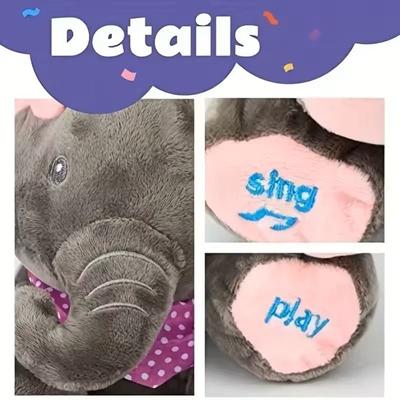
Inspire Select Interactive Singing Plush Elephant Toy With Moving Ears Interactive Singing Plush Elephant Toy With Moving EarsBring endless fun and surprises to playtime with this singing plush elephant that captivates with moving ears and cheerful sounds. Designed for toddlers, kids and anyone who loves interactive plush toys, this animated elephant toy stands out with...46,48 $*Shipping: 0,00 $Secure redirect to the provider
-
Hi-Line Gift Motion Activated Singing EagleEnjoy the relaxing sounds of a singing eagle. This uniquely-crafted and beautiful motion-sensor statue will please any bird lovers. Made of polyresin, this can be used indoors and outdoors. Uses Alkaline LR44 coin cell battery, 3pcs.64,73 $*Shipping: 0,00 $Secure redirect to the provider
-
Brainstream Pirate BeepEgg Singing and Floating Egg TimerBrainStream Pirate BeepEgg - Musical Kitchen Timer & Egg Timer, Plays 3 Tunes for Soft, Medium, Hard-Boiled Eggs - Any Egg Size & Temperature, Ideal for at Home or Camping - Made in Germany - New Turn breakfast into a fun and effortless experience...29,99 $*Shipping: 0,00 $Secure redirect to the provider
-
Global Craft Wisdom Buddha Singing Bowl Leather StrikerThis exclusive singing bowl design is made of a special seven metal alloy, with each metal representing a part of the astrological universe. It measures 6 inches by 2 inches and includes 6 inch wooden baton.97,49 $*Shipping: 0,00 $Secure redirect to the provider



-
What is better for forced feeding, a central venous catheter or a port?
Forced feeding is typically better facilitated through a central venous catheter rather than a port. Central venous catheters are designed for delivering nutrients directly into the bloodstream, allowing for a faster and more efficient delivery of nutrients. Ports, on the other hand, are more commonly used for medications or blood draws and may not be as suitable for forced feeding due to potential complications such as blockages or infections. Ultimately, the choice between a central venous catheter and a port for forced feeding will depend on the individual's specific medical needs and circumstances. **
-
What is better for force-feeding, a central venous catheter (CVC) or a port?
When it comes to force-feeding, a central venous catheter (CVC) is generally preferred over a port. This is because a CVC allows for larger volumes of fluid to be administered quickly, making it more suitable for force-feeding. Additionally, CVCs are easier to access for healthcare providers, which can be important in emergency situations. Ports, on the other hand, are typically used for long-term access and may not be as efficient for force-feeding purposes. **
-
What is the pelvic venous syndrome?
Pelvic venous syndrome (PVS) is a condition that occurs when the veins in the pelvic area become enlarged and dysfunctional, leading to symptoms such as chronic pelvic pain, pelvic congestion, and varicose veins in the pelvis. This can be caused by a variety of factors, including pregnancy, hormonal changes, and increased pressure on the pelvic veins. PVS is more common in women and can significantly impact their quality of life. Treatment options for PVS may include medication, minimally invasive procedures, or surgery to alleviate symptoms and improve venous function in the pelvic area. **
-
How can one refuse venous access?
One can refuse venous access by clearly communicating their decision to the healthcare provider. It is important to provide a valid reason for refusing the procedure, such as fear of needles or previous negative experiences. Patients have the right to refuse any medical procedure, but it is important to discuss alternative options with the healthcare provider to ensure proper care is provided. **


How can one refuse the venous access?
One can refuse venous access by clearly communicating their decision to the healthcare provider. It is important to express any concerns or reasons for refusal, and to ask for alternative options if available. It is also important to understand the potential consequences of refusing venous access, and to make an informed decision based on the advice of the healthcare provider. Ultimately, it is the individual's right to refuse any medical procedure, but it is important to have an open and respectful conversation with the healthcare provider to ensure the best possible care. **
What are the signs of venous insufficiency?
Signs of venous insufficiency include swelling in the legs and ankles, aching or heaviness in the legs, skin discoloration or changes, varicose veins, leg ulcers, and a feeling of warmth in the legs. Additionally, some people may experience itching or a tingling sensation in the legs. If you are experiencing any of these symptoms, it is important to consult with a healthcare professional for proper diagnosis and treatment. **
Top-Angebote
Products related to Venous:
-
San Pacific - Ds Perching Eagle Garden Sculpture Dark Bronze , Dark BronzeBe sure to be quick if you want to see the Perching Eagle. This hand-cast aluminum sculpture has a hand-rubbed, dark bronze finish and depicts an eagle on a tree stump ready to take flight. This sculpture may be used indoors or outdoors year round....384,99 $*Shipping: 0,00 $Secure redirect to the provider
-
Uplift Essentials Humane Bird Deterrent Perch Strips Stainless Steel Anti Perching Barrier For Balcony Fence And Eaves Humane Bird Deterrent Perch Strips Stainless Steel Anti Perching Barrier For Balcony Fence And EavesStop birds from landing and leaving messy droppings without harming them. These durable stainless steel perch deterrent strips create an uncomfortable landing surface that helps keep balconies, fences, and window ledges clean and protected. Designed...39,97 $*Shipping: 0,00 $Secure redirect to the provider
-
Inspire Select Interactive Singing Plush Elephant Toy With Moving Ears Interactive Singing Plush Elephant Toy With Moving EarsBring endless fun and surprises to playtime with this singing plush elephant that captivates with moving ears and cheerful sounds. Designed for toddlers, kids and anyone who loves interactive plush toys, this animated elephant toy stands out with...46,48 $*Shipping: 0,00 $Secure redirect to the provider
-
Hi-Line Gift Motion Activated Singing EagleEnjoy the relaxing sounds of a singing eagle. This uniquely-crafted and beautiful motion-sensor statue will please any bird lovers. Made of polyresin, this can be used indoors and outdoors. Uses Alkaline LR44 coin cell battery, 3pcs.64,73 $*Shipping: 0,00 $Secure redirect to the provider
-
What are venous sinuses?
Venous sinuses are large, thin-walled blood vessels found within the dura mater, the tough outermost membrane surrounding the brain. They are responsible for draining deoxygenated blood and cerebrospinal fluid from the brain and returning it to the systemic circulation. Venous sinuses have a unique structure, with no traditional endothelial lining, and they are surrounded by layers of dura mater. These sinuses play a crucial role in maintaining the proper circulation and drainage of fluids within the brain. **
-
What is a venous bleeding?
Venous bleeding is the type of bleeding that occurs when a vein is damaged or punctured, leading to blood flowing out of the vein. Venous bleeding is characterized by a steady flow of dark red blood, as veins carry blood that is low in oxygen. It is generally easier to control venous bleeding compared to arterial bleeding, as veins have lower pressure. However, if left untreated, venous bleeding can still lead to significant blood loss and should be addressed promptly. **
-
What is better for forced feeding, a central venous catheter or a port?
Forced feeding is typically better facilitated through a central venous catheter rather than a port. Central venous catheters are designed for delivering nutrients directly into the bloodstream, allowing for a faster and more efficient delivery of nutrients. Ports, on the other hand, are more commonly used for medications or blood draws and may not be as suitable for forced feeding due to potential complications such as blockages or infections. Ultimately, the choice between a central venous catheter and a port for forced feeding will depend on the individual's specific medical needs and circumstances. **
-
What is better for force-feeding, a central venous catheter (CVC) or a port?
When it comes to force-feeding, a central venous catheter (CVC) is generally preferred over a port. This is because a CVC allows for larger volumes of fluid to be administered quickly, making it more suitable for force-feeding. Additionally, CVCs are easier to access for healthcare providers, which can be important in emergency situations. Ports, on the other hand, are typically used for long-term access and may not be as efficient for force-feeding purposes. **
Similar search terms for Venous
-
Brainstream Pirate BeepEgg Singing and Floating Egg TimerBrainStream Pirate BeepEgg - Musical Kitchen Timer & Egg Timer, Plays 3 Tunes for Soft, Medium, Hard-Boiled Eggs - Any Egg Size & Temperature, Ideal for at Home or Camping - Made in Germany - New Turn breakfast into a fun and effortless experience...29,99 $*Shipping: 0,00 $Secure redirect to the provider
-
Global Craft Wisdom Buddha Singing Bowl Leather StrikerThis exclusive singing bowl design is made of a special seven metal alloy, with each metal representing a part of the astrological universe. It measures 6 inches by 2 inches and includes 6 inch wooden baton.97,49 $*Shipping: 0,00 $Secure redirect to the provider
-
JoyToys Interactive Dancing Bee Toy With Music, Lights & Singing For Kids Interactive Dancing Bee Toy With Music, Lights & Singing For KidsA smile is just one button away with this Dancing Bee Toy that keeps little ones laughing, moving, and learning through play. Designed for toddlers and young children, this adorable bee sings, dances, and lights up to capture attention while...49,97 $*Shipping: 0,00 $Secure redirect to the provider
-
Hi-Line Gift MOTION ACTIVATED SINGING CARDINAL STANDING STUMPEnjoy the relaxing sounds of a singing red cardinal. This uniquely-crafted and beautiful motion-sensor statue will please any bird lovers. Made of polyresin, this can be used indoors and outdoors.66,99 $*Shipping: 0,00 $Secure redirect to the provider
-
What is the pelvic venous syndrome?
Pelvic venous syndrome (PVS) is a condition that occurs when the veins in the pelvic area become enlarged and dysfunctional, leading to symptoms such as chronic pelvic pain, pelvic congestion, and varicose veins in the pelvis. This can be caused by a variety of factors, including pregnancy, hormonal changes, and increased pressure on the pelvic veins. PVS is more common in women and can significantly impact their quality of life. Treatment options for PVS may include medication, minimally invasive procedures, or surgery to alleviate symptoms and improve venous function in the pelvic area. **
-
How can one refuse venous access?
One can refuse venous access by clearly communicating their decision to the healthcare provider. It is important to provide a valid reason for refusing the procedure, such as fear of needles or previous negative experiences. Patients have the right to refuse any medical procedure, but it is important to discuss alternative options with the healthcare provider to ensure proper care is provided. **
-
How can one refuse the venous access?
One can refuse venous access by clearly communicating their decision to the healthcare provider. It is important to express any concerns or reasons for refusal, and to ask for alternative options if available. It is also important to understand the potential consequences of refusing venous access, and to make an informed decision based on the advice of the healthcare provider. Ultimately, it is the individual's right to refuse any medical procedure, but it is important to have an open and respectful conversation with the healthcare provider to ensure the best possible care. **
-
What are the signs of venous insufficiency?
Signs of venous insufficiency include swelling in the legs and ankles, aching or heaviness in the legs, skin discoloration or changes, varicose veins, leg ulcers, and a feeling of warmth in the legs. Additionally, some people may experience itching or a tingling sensation in the legs. If you are experiencing any of these symptoms, it is important to consult with a healthcare professional for proper diagnosis and treatment. **
* All prices are inclusive of VAT and, if applicable, plus shipping costs. The offer information is based on the details provided by the respective shop and is updated through automated processes. Real-time updates do not occur, so deviations can occur in individual cases. ** Note: Parts of this content were created by AI.